
10 Most Photogenic Places in Spain
Spain is a photographer’s dream. From clifftop towns to colourful harbours, every region offers something new to capture. Grab your camera, because these ten spots are ready for their close-up. Whether you love dramatic landscapes or pretty cobbled streets, you’ll find plenty here to fill your camera roll. So, let’s dive into the most photogenic places Spain has to offer in 2026.
1. Ronda
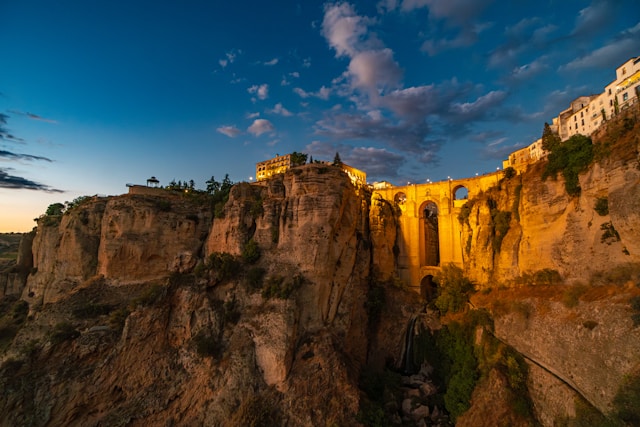
Perched high above a dramatic gorge, Ronda is one of Andalusia’s most striking towns. Its star attraction is the Puente Nuevo, a stone bridge that spans a 100-metre drop. Photos taken from the valley floor below are simply stunning. Beyond the bridge, Ronda’s old town is packed with narrow lanes and quiet plazas. It’s also home to one of Spain’s oldest bullrings, run by the Real Maestranza de Ronda. Getting there is easy by train from Málaga or Seville, and the journey itself offers gorgeous mountain views. Check connections.
Arrive early to beat the crowds and catch the best light on the gorge walls.
2. Setenil de las Bodegas
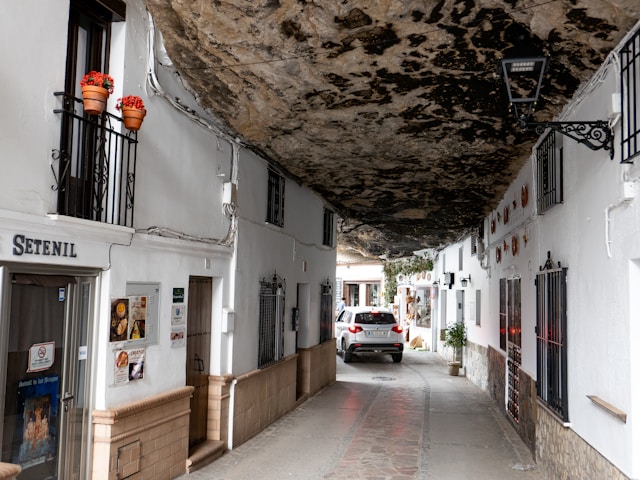
Houses built directly into rock overhangs make Setenil de las Bodegas unlike anywhere else in Spain. Whitewashed walls sit beneath huge slabs of stone, creating natural roofs over the streets below. Walk along Calle Cuevas del Sol for the best photo opportunities. Restaurants here tuck their tables right against the rock, so you can enjoy tapas in the shade.
Since this hidden gem sits off the main tourist trail, a car gives you the freedom to explore at your own pace. Hire a Car. Visit in the late afternoon, when golden light pours through the gaps between the houses.
3. Cudillero
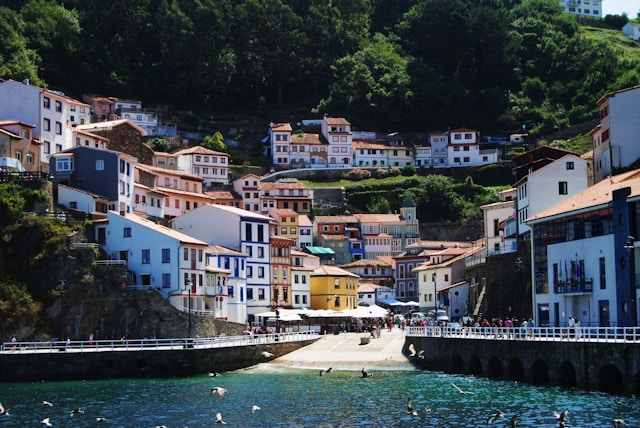
Tumbling down a steep hillside towards the sea, Cudillero looks like something from a postcard. Brightly painted houses in blue, pink and yellow stack on top of each other above the tiny fishing harbour. For the best shot, climb up to the viewpoint above the town and look down over the rooftops. Fresh seafood restaurants line the harbour, so plan to stay for lunch. Buses run regularly from Oviedo and make for a relaxed way to reach this Asturian gem. Buy Tickets.
Mornings bring soft light and fewer crowds, which makes for calmer photos.
4. Santiago de Compostela
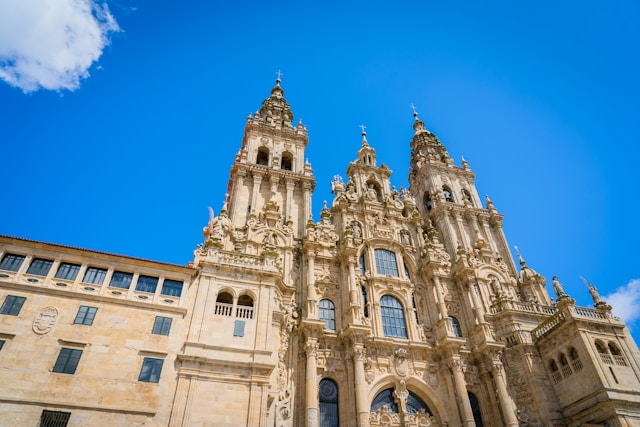
Santiago de Compostela marks the end of the famous Camino pilgrimage route, and its cathedral is the reward. The Santiago de Compostela Cathedral dominates the old town with its ornate Baroque towers. Inside, the Portico of Glory offers incredible detail for close-up shots. Outside, the wide granite square in front of the cathedral fills with pilgrims and photographers alike. Trains connect Santiago with Madrid and A Coruña, making it an easy addition to any Galician trip. Check connections.
Visit at dusk, when floodlights bring the stonework to life.
5. Toledo
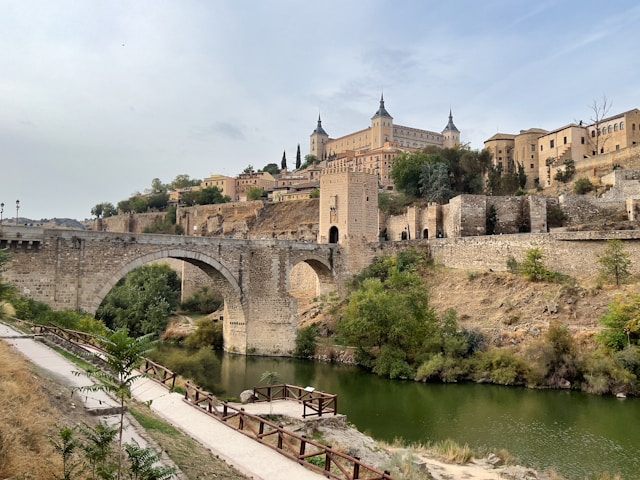
Set on a hill above the Tagus River, Toledo practically glows at sunset. The Mirador del Valle viewpoint gives you the classic skyline shot, packed with towers and domes. Inside the walls, the Toledo Cathedral and the Alcázar fortress both make brilliant subjects for photos. Cobbled streets twist between medieval buildings, so wandering here rewards curious explorers.
High-speed trains from Madrid take under half an hour, making Toledo a simple day trip. Check connections.
Aim for early evening to catch the whole city bathed in warm light.
6. Granada
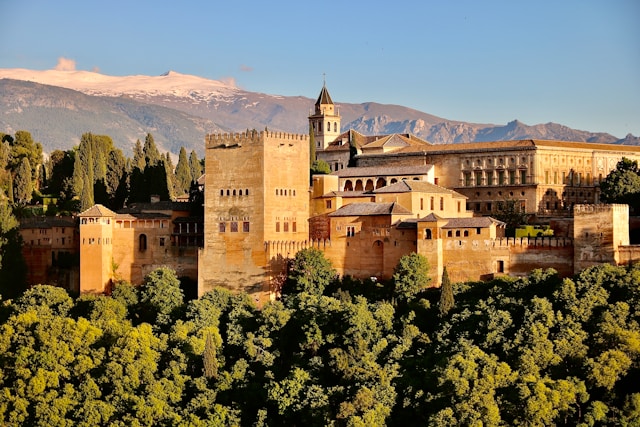
No list of photogenic places would be complete without Granada. The city’s crown jewel is the Alhambra, a sprawling Moorish palace with gardens, fountains and mountain views. Tickets sell out fast, often weeks in advance, so booking ahead really pays off. Buy Tickets. The Albaicín quarter across the valley offers the best angle of the palace against the Sierra Nevada. Trains link Granada with Madrid, Seville and Málaga, so it’s simple to reach from anywhere in Andalusia. Check connections.
Book your Alhambra slot early and arrive well before your entry time. Buy Tickets.
7. Cadaqués
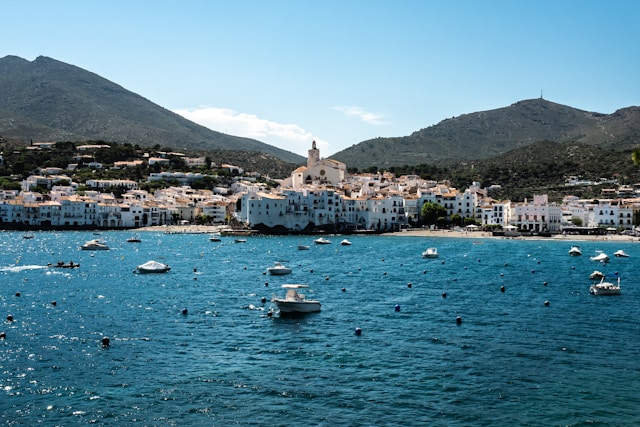
With whitewashed houses tumbling towards a rocky bay, Cadaqués once inspired the artist Salvador Dalí. His former home, the Dalí House-Museum in Portlligat, sits just outside town and only admits a limited number of visitors each day. Since spaces fill quickly, booking in advance is essential. Buy Tickets. Back in the village, blue-domed church towers and boat-lined harbours create endless photo opportunities. Winding mountain roads lead here, so driving gives you the most flexibility. Already in Spain? Get directions.
Book your museum tickets early. Buy Tickets.
8. Guadalest
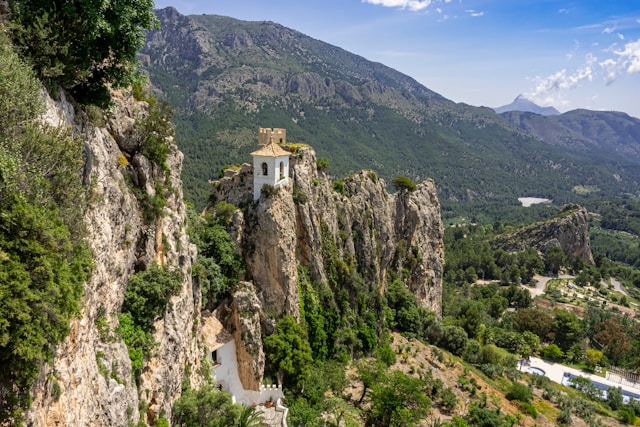
Balanced on a rocky outcrop above a turquoise reservoir, Guadalest is one of the most photographed villages on the Costa Blanca. The ruined Castell de Sant Josep clings to the clifftop, framed by dramatic mountain scenery below. From the viewpoint on the approach road, you’ll capture the whole village in one shot. Narrow lanes lead up through souvenir shops and small museums to the castle gate. Since Guadalest sits inland from Benidorm and Alicante, a car makes the mountain drive far easier. Hire a Car.
Visit midweek for quieter streets and clearer photos of the reservoir below.
9. Peñíscola
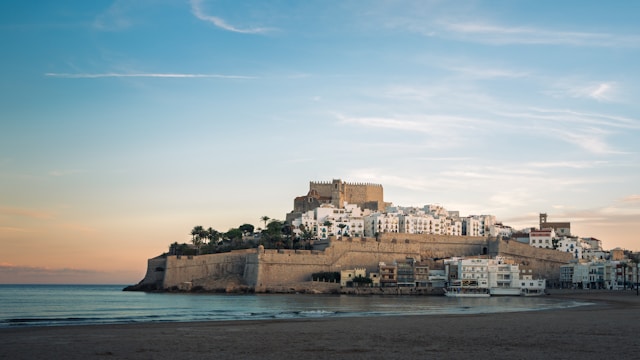
A castle-topped peninsula jutting into the Mediterranean, Peñíscola looks almost too dramatic to be real. The Castillo del Papa Luna sits at the top of the old town, surrounded by sea walls on three sides. Walk the narrow streets below for glimpses of the castle framed by whitewashed houses. Sunset here is spectacular, as the sky turns pink and orange behind the fortress. Regular buses connect Peñíscola with Valencia and Barcelona, making it an easy coastal stop. Buy Tickets.
Head to the beach promenade for the classic postcard view.
10. Combarro
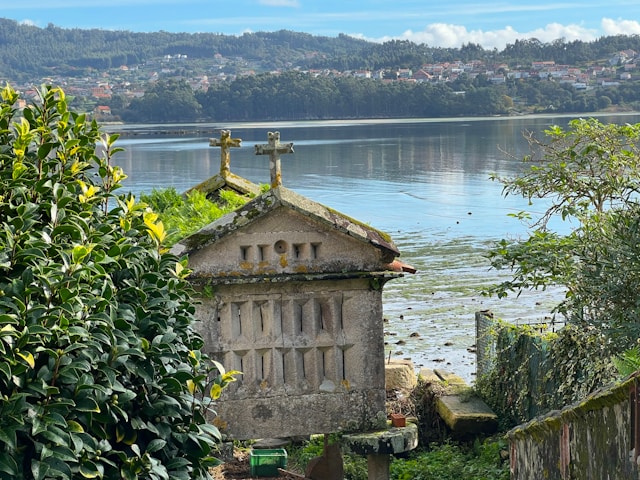
Traditional stone granaries, known as hórreos, line the waterfront at Combarro. These raised stone structures once stored grain, and today they stand right at the water’s edge. Together with stone crosses and tiny fishing boats, they create one of Galicia’s most charming scenes. Narrow granite streets wind through the old quarter, opening suddenly onto sea views. Since Combarro sits along a quiet stretch of coast, driving is the easiest way to explore the wider Rías Baixas area. Already in Spain? Get directions.
Visit at low tide, when the hórreos reflect beautifully in the wet sand.
Final Thoughts
Spain rewards photographers at every turn, from clifftop castles to fishing villages painted in every colour imaginable. Pack comfortable shoes, charge your camera battery, and give yourself plenty of time at each stop. Golden hour, whether at sunrise or sunset, will always give you the best results. Above all, take a moment to enjoy each place before you rush on to the next shot.