
3 Foods to Try in Oviedo
Oviedo eats like the mountains that surround it: hearty, honest, and generous. Wander the old town, and cider houses spill out onto every corner. This city built its cooking around slow stews and shared plates. You don’t need a big budget or a fancy booking to eat well here. Some of the best dishes come from cider houses that have fed locals for decades. This guide covers three classic foods to try in Oviedo. Each dish carries real Asturian history in every bite. Every spot below skips the Michelin stars and hotel price tags too. Let’s tuck in.
Fabada Asturiana
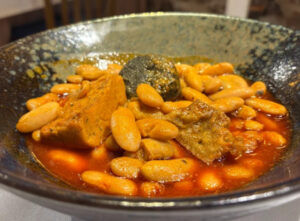
Fabada Asturiana is the region’s ultimate comfort dish, and locals take it seriously. Cooks simmer large white beans, called fabes, with chorizo, morcilla, and pork belly. The stew likely developed among farming families who needed a filling, warming winter meal. Fabes grow best in Asturias, thanks to the region’s damp, mild climate. Cooking the dish properly takes hours, since the beans need a gentle, low simmer. Rushing it toughens the beans and ruins the silky, rich broth. Restaurants across Asturias compete fiercely over whose fabada reigns supreme. Order a bowl with crusty bread, and you’ll taste why Asturians are so proud of it.
3 Places to try it
Casa Chema sits just outside Oviedo, overlooking the River Nalón. This family-run spot has twice won the title of Best Fabada in the World. Cook Joaquina Rodríguez uses select fabes and a carefully sourced compango of meats. The terrace offers lovely mountain views alongside your meal. Booking ahead is wise, especially for weekend lunches. Get directions.
El Raitán has served traditional Asturian cooking in Plaza Trascorrales since 1988. The dining room is styled like an old Asturian farmhouse, complete with rustic furniture. Fabada remains one of its most popular dishes, alongside pote asturiano and stuffed peppers. The cosy space fills quickly, so arrive early or book ahead. Rice pudding and casadielles make a fitting end to the meal. Get directions.
Tierra Astur Gascona opened on the city’s famous cider boulevard back in 1997. This relaxed, wood-panelled sidrería started the whole Tierra Astur brand. Fabada sits proudly on the menu alongside grilled meats and cheese boards. Staff pour cider the traditional way, holding the bottle high above the glass. Reservations help at busy times, though walk-ins are usually welcome. Get directions.
Cachopo
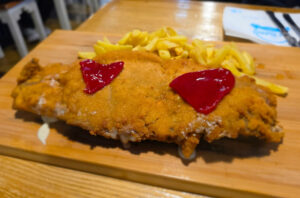
Cachopo looks enormous, and honestly, it is. Two thin veal fillets sandwich ham and cheese, then get breaded and fried. The dish first appeared in Oviedo around 1947, at a restaurant on Calle Pelayo. It grew in popularity through the following decades, spreading across all of Asturias. Traditional versions use jamón and local cheese, though modern chefs now experiment freely. Some add mushrooms, seafood, or unusual regional cheeses to stand out. A proper cachopo comfortably feeds two people, sometimes more. Order one, and share it, because finishing it solo is a genuine challenge.
3 Places to try it
Tablas del Campillín has specialised in cachopo for over a decade, right by Campillín park. This lively spot has won numerous national and regional cachopo awards. Their signature dish uses Asturian veal with IGP certification for guaranteed quality. Portions run generous, so most diners share one between two. Booking ahead is recommended, particularly on weekend evenings. Get directions.
La Corte de Pelayo traces its roots to the original 1947 cachopo recipe from Calle Pelayo. This central restaurant sits close to the cathedral, making it easy to combine with sightseeing. Their Pelayo 1947 version pays direct tribute to that historic dish. Golden, crispy, and packed with melted cheese, it draws steady crowds. Booking ahead matters, especially during busy tourist season. Get directions.
Sidrería El Pichote calls itself the “temple of cachopo,” and regulars tend to agree. This family-friendly sidrería sits in the La Florida neighbourhood, a short taxi ride from the centre. Their award-winning cachopo uses Peñamellera cheese and quality ham for a rich, gooey filling. The atmosphere stays relaxed, with cider poured the traditional way. Booking ahead is sensible, since portions and popularity both run large. Get directions.
Queso Cabrales
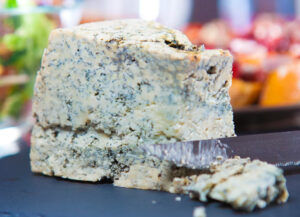
Queso Cabrales is Asturias’s famous blue cheese, and it doesn’t hold back on flavour. Cheesemakers age it inside natural mountain caves near the Picos de Europa. High humidity in these caves lets blue-green veins develop throughout the cheese. Traditional recipes use cow’s milk, sometimes blended with goat or sheep milk. The cheese has carried Protected Designation of Origin status since 1981. Its smell announces itself before you even take a bite. Locals often pair it with cider or spread it warm over crusty bread. Try a small piece first; the flavour is bold, sharp, and unforgettable.
3 Places to try it
Casa Veneranda has sold Asturian delicacies in central Oviedo since 1927. Veneranda Fernández founded this gourmet shop, unusual for a woman running a business at the time. Now in its fourth generation, the shop stocks excellent Cabrales alongside other local cheeses. Staff happily offer tastings before you buy a wedge to take home. No booking is needed; just pop in during opening hours. Get directions.
Tierra Astur Gascona stocks an impressive cheese counter alongside its famous cider and fabada. Their Asturian cheese board features Cabrales, Gamonéu, and Afuega’l Pitu side by side. A small shop inside the sidrería lets you buy cheese to take home too. The wood-panelled dining room stays busy most evenings, so arrive with patience. Reservations help, though the bar area often welcomes walk-ins. Get directions.
El Ferroviario has poured cider on Calle Gascona since 1951, making it the street’s oldest sidrería. A dedicated cheese affineur curates their board, including a standout Cabrales selection. The bustling, sociable atmosphere suits sharing plates and long conversations. Thursday nights bring live Asturian music alongside the food and cider. Booking ahead is a good idea, particularly at weekends. Get directions.
Final Thoughts
Oviedo’s food culture rewards a slow pace and a hearty appetite. Fabada, cachopo, and Cabrales cheese each tell a story of Asturian farming and mountain life. None of these dishes need a big budget or a formal dining room to shine. Order in a sidrería, share generously, and let the cider flow. These plates taste better among friends, with plenty of bread on the side. Next time you’re wandering Oviedo’s old streets, follow the locals into a busy cider house. The city’s best meals still come from its simplest, most traditional kitchens.