
Camino de Santiago
The Camino de Santiago, often referred to simply as the Camino, is a remarkable pilgrimage that has been drawing travellers and seekers for centuries. This ancient trail offers a profound journey of self-discovery, cultural exploration, and spiritual connection. In this SEO-friendly and easy-to-read article, we will explore the Camino de Santiago and its unique appeal.
What Is the Camino de Santiago?
The Camino de Santiago, translated as the “Way of St. James,” is a network of pilgrimage routes leading to the city of Santiago de Compostela in northwestern Spain. At its core, it is a spiritual journey associated with the Apostle St. James, whose remains are believed to be buried in the city’s grand cathedral. However, the Camino has evolved into a cultural and personal pilgrimage embraced by people of all beliefs.
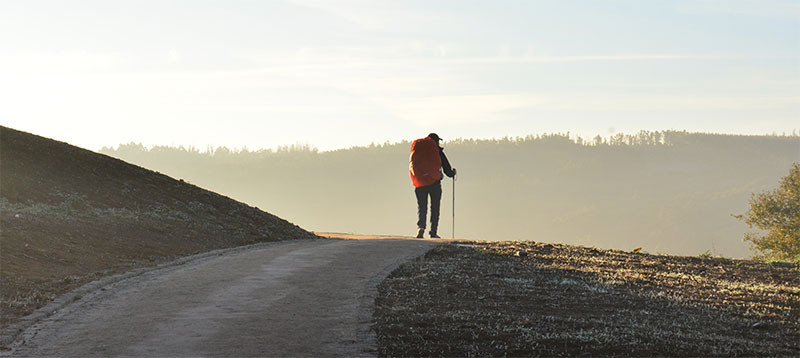
The Routes of the Camino
There are several routes that make up the Camino de Santiago, but the most famous and travelled is the Camino Francés. This 500-mile (800-kilometer) journey begins in Saint-Jean-Pied-de-Port, France, and traverses the stunning landscapes of northern Spain, passing through charming villages and historic towns along the way.
Other routes, such as the Portuguese Camino and the Northern Camino, offer different starting points and unique experiences, catering to a variety of pilgrims and travellers.
The Camino Experience
Walking the Camino is a deeply personal and transformative experience. It’s a chance to disconnect from the demands of modern life and reconnect with nature, history, and one’s inner self. Along the trail, pilgrims encounter awe-inspiring vistas, lush forests, and serene villages, providing ample opportunities for reflection and contemplation.
Meeting Fellow Pilgrims
One of the most cherished aspects of the Camino is the sense of community and camaraderie that develops among pilgrims. As you walk, you’ll meet people from all corners of the globe, each with their own unique story and reason for embarking on this journey. The shared trials and triumphs create lasting bonds and lifelong friendships.
Accommodations Along the Way
The Camino offers a range of accommodation options to suit different budgets and preferences. Albergues, or pilgrim hostels, provide simple and affordable lodging for those seeking a communal experience. For those desiring more comfort, guesthouses and hotels are also available in many towns.
Spirituality and Reflection
While the Camino has deep roots in Christian tradition, it welcomes people of all faiths and beliefs. Pilgrims often take this opportunity to reflect on their lives, find solace, or seek answers to profound questions. The journey encourages self-discovery and personal growth.
Reaching Santiago de Compostela
Arriving in Santiago de Compostela is a momentous occasion for pilgrims. The grand Cathedral of Santiago de Compostela, with its iconic scallop shell symbol, marks the end of the journey. Many pilgrims attend the Pilgrims’ Mass, where they receive their Compostela certificate, a recognition of their pilgrimage.
In Conclusion
The Camino de Santiago is more than just a physical journey; it’s a spiritual and cultural adventure that leaves a lasting impact on all who undertake it. Whether you seek self-discovery, cultural exploration, or a break from the hustle and bustle of daily life, the Camino offers a transformative experience like no other.
Walking the Camino de Santiago is a profound way to connect with nature, history, and fellow travelers. It’s a pilgrimage that transcends religious boundaries, welcoming people of all backgrounds to embark on a shared journey of discovery and personal growth. So, lace up your walking shoes, pack your backpack, and set forth on the Camino de Santiago—a path that promises not only a destination but a remarkable journey of the soul.