
3 Foods to Try in Valencia
Valencia doesn’t just claim to have invented paella. It lives and breathes food at every turn. Wander past the market stalls, and you’ll spot chufa nuts, fresh eels, and rice piled high. This region takes huerta produce and turns it into something magical. You don’t need a big budget or a fancy booking to eat well here. Some of the best dishes come from family kitchens that have barely changed in a century. This guide covers three classic foods to try in Valencia. Each dish carries real history in every spoonful. Every spot below skips the Michelin stars and hotel price tags too. Let’s tuck in.
Paella Valenciana
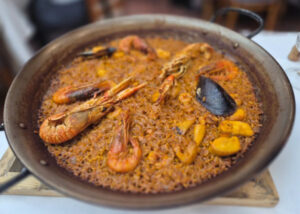
Paella Valenciana is the dish that put this city on the culinary map. Farmers from the Albufera wetlands created it, cooking rice with whatever they had to hand. Traditional versions use chicken, rabbit, green beans, and a local bean called garrofón. Snails often join the pot too, adding a rustic, earthy note. The name comes from “paella,” the wide, flat pan used to cook it, not the rice itself. Locals insist on cooking it outdoors over orange wood for the best smoky flavour. Valencians take their paella so seriously that adding chorizo can start an argument. Sunday lunch traditionally means gathering the family around one enormous pan. Order it here, and you’re tasting centuries of Valencian farming history.
3 Places to try it
Casa Carmela has cooked paella over orange wood on Malvarrosa beach since 1922. Four generations of the same family have kept the recipe unchanged. The restaurant began as a simple beach hut before becoming a full kitchen. Paella Valenciana here is made to order only, so reserve well ahead. Writer Vicente Blasco Ibáñez, whose old home sits nearby, was once a regular. Get directions.
La Pepica has served paella on this same stretch of beach since 1898. Ernest Hemingway dined here so often that staff still remember his visits fondly. The open kitchen lets you watch each paella cook from start to finish. Expect a lively, bustling dining room packed with locals and visitors alike. Given its fame, booking ahead is strongly recommended, especially at weekends. Get directions.
Casa Roberto has served paella in the Eixample district since 1986. Chef Roberto Aparicio built his menu entirely around traditional Valencian rice dishes. There’s no fish or meat main course here, just rice done properly. The dining room feels traditional, with a loyal crowd of regular locals. Reservations are essential, since tables fill fast most evenings. Get directions.
Horchata & Fartons
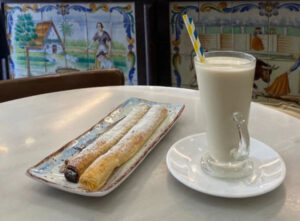
Horchata is Valencia’s answer to a hot afternoon, and it’s been a favourite for centuries. Cooks blend chufa, or tiger nuts, with water and sugar to make this milky drink. Farmers first grew chufa in the sandy soil around Alboraya, just north of the city. Moorish settlers likely introduced the tiger nut to Spain many centuries ago. Fartons arrived later, as a soft, sweet bread designed specifically for dipping. Their shape and light glaze soak up horchata perfectly without falling apart. Together, they’ve become the region’s signature snack, sold on nearly every corner. Order a glass ice-cold, and dip your farton slowly to get the full effect.
3 Places to try it
Horchatería Santa Catalina has served horchata in the old town for around two centuries. Hand-painted Manises tiles decorate the walls, giving it real old-world charm. Even Princess Isabel reportedly sat at one of its tables during a visit. The menu includes horchata, fartons, churros, and rich hot chocolate. It gets busy, so arrive outside lunchtime if you want a quiet seat. Get directions.
Horchatería Daniel has made horchata by hand in Alboraya since 1949. The Tortajada family still runs the business, now in its third generation. Salvador Dalí and Rafael Alberti both visited to try their famous horchata. Their fartons come fresh from an on-site bakery every single day. No booking is needed; simply take a seat on the terrace. Get directions.
Horchatería Els Sariers grows its own chufa in the fields around Alboraya. The family has farmed tiger nuts and made horchata for more than sixty years. Everything here follows traditional methods, from harvesting through to serving. The shop feels relaxed and local, away from the busiest tourist routes. No reservation is required; just walk in and order. Get directions.
All i Pebre
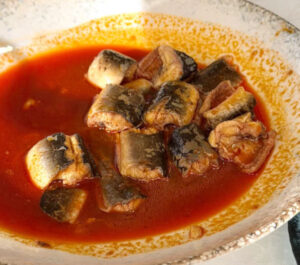
All i pebre translates simply as “garlic and pepper,” though the dish holds far more depth. Cooks simmer fresh eel with potatoes, garlic, sweet paprika, and a little chilli. The Albufera wetlands, just south of Valencia, gave birth to this hearty stew. Fishermen created it using whatever the lake offered that day, especially eel. Traditionally, families cooked it in a shallow clay pot called a “cassola.” The dish remains deeply tied to El Palmar, a small village on the lake’s edge. Locals still hold an annual contest to crown the best all i pebre in the area. Try it once, and you’ll taste exactly why fishermen relied on this dish for generations.
3 Places to try it
Restaurante Bon Aire has served traditional Albufera cooking in El Palmar since 1982. The Roig family founded it, and their grandchildren now run the kitchen. All i pebre remains a signature dish, made with fresh local eel. The restaurant also grows its own vegetables in a nearby huerta. Booking ahead is wise, particularly for weekend lunches. Get directions.
Restaurante Mateu began as a small family kitchen preparing dishes to order in El Palmar. All i pebre, grilled fish, and paella built its reputation over the years. The restaurant has since grown, though it keeps its traditional recipes intact. Rice dishes require advance notice, so call ahead if paella tempts you too. Reservations are recommended, especially during busy weekends. Get directions.
Restaurante El Palmar sits at the heart of the village, close to the lake. All i pebre here is cooked slowly, using fresh eel and garden potatoes. The kitchen follows methods passed down through generations of local cooks. Wide lake views add to the relaxed, unhurried atmosphere. Booking ahead is advisable, particularly on Sundays when locals flock here. Get directions.
Final Thoughts
Valencia’s food culture runs far deeper than any beach bar menu suggests. Paella, horchata, and all i pebre each tell a story about this region’s land and water. None of them need a big budget or a stuffy dining room to taste their best. Follow the locals, order simply, and let the ingredients do the talking. These dishes taste better slowly, shared with good company and plenty of bread. Next time you’re in Valencia, skip the tourist paella menus near the cathedral. The best plates in this city still come from the simplest kitchens.