
15 Foods to try in Andalusia
Andalusia is a dream for anyone who loves food. The region sits in the sunny south of Spain, and its kitchens are full of fresh seafood, golden olive oil and mountain ham. Even better, many dishes cost very little. So, if you are wondering which foods to try in Andalusia, you are in the right place. This guide covers 15 tasty favourites, including a few drinks and sweet treats. Grab a fork, and let’s dive in.
Jamón Ibérico and Serrano Ham
Let’s start with the king of Spanish tapas. Ham hangs from the ceiling in almost every Andalusian bar. The best is jamón ibérico de bellota, which comes from black Iberian pigs that feast on acorns. Producers cure it for years, and the result melts in your mouth. Jabugo, in Huelva province, is the most famous name. Meanwhile, the mountain village of Trevélez is known for its air-dried serrano ham. It sits high in the Sierra Nevada, and the cool, dry air is perfect for curing. Ask for it sliced thinly, and enjoy it with a glass of wine.
Gazpacho
When the summer heat hits, you will soon love gazpacho. This chilled soup blends ripe tomatoes, peppers, cucumber, garlic, olive oil and a splash of vinegar. Its roots go back to Roman and Moorish times. Back then, cooks mixed bread, garlic, oil and vinegar. Tomatoes joined the recipe only after they arrived from the Americas. You will find gazpacho all over the region, but Seville serves some of the best. Many bars even serve it in a glass, so you can sip it like a drink.
Salmorejo
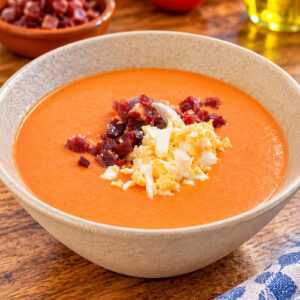
Salmorejo looks like gazpacho’s thicker, creamier cousin. Cooks blend tomatoes with bread, garlic, oil and vinegar until it turns silky smooth. Then they top it with chopped jamón and hard-boiled egg. This dish belongs to Córdoba, where locals eat it all summer long. It is rich, filling and refreshing at the same time. Order a bowl for lunch, and you will understand the fuss.
Rabo de Toro
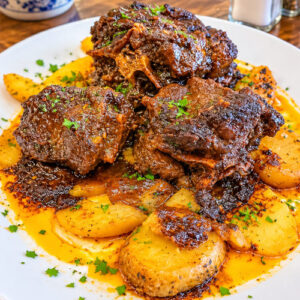
Rabo de toro is a slow-cooked oxtail stew, and it is pure comfort food. Cooks simmer the meat with red wine, onions, carrots and herbs for hours. In the end, it falls off the bone. The dish has strong links to bullfighting. Butchers once used the tails of bulls from the ring. Today, Ronda, home to one of Spain’s oldest bullrings, is a top spot to try it. Likewise, Córdoba claims it as a local classic. Pair it with a glass of red, and settle in.
Espetos de Sardinas
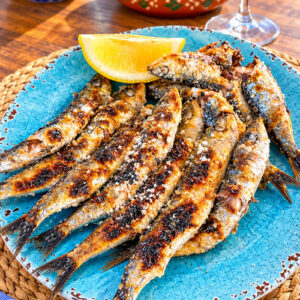
Here is the taste of a Costa del Sol summer. Cooks thread fresh sardines onto cane skewers, then grill them over olive wood. Often, they cook them right on the beach, in a boat filled with sand. The smoky flavour is simple and delicious. Málaga is the home of the espeto, and the city’s beach bars serve them all summer. Eat them with your fingers, and add a squeeze of lemon. Napkins are a good idea.
Pescaíto Frito
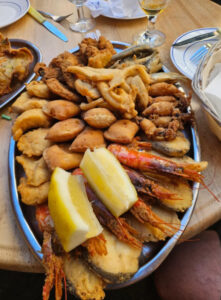
Pescaíto frito means “little fried fish”, and it is a Cádiz coast favourite. Cooks coat fresh fish in light flour and fry it quickly in hot olive oil. As a result, it comes out crisp outside and tender inside. A mixed plate might include anchovies, squid, hake and prawns. El Puerto de Santa María is famous for its seafood. Its waterfront is lined with lively restaurants. Order a big plate to share, and add a cold beer.
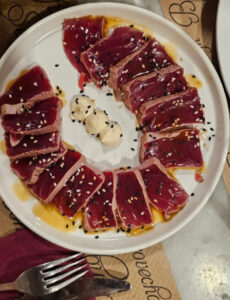
Atún de Almadraba
Fancy something special? Try red tuna caught with the ancient almadraba method. Fishermen set huge traps in the sea each spring, as bluefin tuna swim through the Strait of Gibraltar. This tradition dates back to Phoenician and Roman times. Because of this, the fish is fresh and top quality. Zahara de los Atunes even carries tuna in its name. Nearby, Conil de la Frontera also serves it in many forms. Try it grilled, as a tartare, or in a tasty stew.
Berenjenas con Miel de Caña
Sweet and salty is a winning mix here. Cooks slice aubergines, dust them in flour, and fry them until crisp. Then they drizzle on dark sugar cane molasses. The result is a moreish tapa that vegetarians love too. The Moors brought both aubergines and sugar cane to Spain. Today, Motril, on the Granada coast, still makes cane honey. Meanwhile, you will see this dish in tapas bars in Córdoba and across the region. Order one, and you will probably order a second.
Migas
Migas began as humble food for shepherds and farmers. Cooks fry breadcrumbs in olive oil with garlic until they turn golden and crunchy. Then they add extras like chorizo, peppers or fresh sardines. Every area has its own version. Almería is well known for its hearty migas, especially on cold or rainy days. The dish is simple, filling and full of flavour. It also shows how clever Spanish cooks are with basic ingredients.
Plato Alpujarreño
Hungry hikers, this one is for you. The plato alpujarreño is a big plate of fried eggs, potatoes, peppers, ham, chorizo and black pudding. It comes from the mountain villages of the Alpujarras, where locals needed plenty of fuel for farm work. Today, you can try it in white villages such as Pampaneira. Walk the mountain trails in the morning, and eat this in the afternoon. You will have earned it.
Extra Virgin Olive Oil
Olive oil is the heart of Andalusian cooking. The region produces most of Spain’s olive oil, and the groves stretch as far as the eye can see. Many locals start the day with toasted bread, grated tomato and a generous drizzle of oil. It is simple, and it tastes wonderful. Priego de Córdoba has its own protected origin for top-quality oil. Likewise, the hills around Cazorla are famous for it. Visit a mill, taste a few oils, and bring a bottle home.
Polvorones
Now for something sweet. Polvorones are crumbly little biscuits made from flour, sugar, almonds and lard. They melt on your tongue, and they are covered in a dusting of sugar. People eat them mostly at Christmas, but shops sell them for much of the year. The town of Estepa is the capital of polvorones and mantecados. Its bakeries have made them since the 19th century. Pick up a box as a gift. Or, to be honest, keep it for yourself.
Piononos
Piononos are small, sweet and very pretty. Each one is a tiny roll of sponge, soaked in syrup and topped with a swirl of toasted cream. A baker in the town of Santa Fe, near Granada, created them in the late 19th century. He named them after Pope Pius IX, known in Spanish as Pío Nono. Today, you can find them in bakeries all around Granada. Try one with your morning coffee. Then you might want a few more.
Sherry
Sherry is Andalusia’s most famous wine. Producers make it from white grapes in the “Sherry Triangle”, which covers Jerez, Sanlúcar de Barrameda and El Puerto de Santa María. They age it in stacked barrels, using a clever method called the solera system. Styles range from bone-dry fino to rich, sweet Pedro Ximénez. Dry sherries go well with ham, olives and fried fish. Our guide to Andalusian sherry explains the different styles in more detail. Visit a bodega for a tour and a tasting.
Rebujito
Finally, let’s raise a glass to rebujito. This fizzy, fresh drink mixes dry sherry with lemon-lime soda and plenty of ice. It is light and cheap, and it keeps you cool in the heat. Rebujito is the drink of choice at the April Fair in Seville. Locals sip it all day in colourful tents, dressed in their best flamenco outfits. Many bars also serve it in big jugs. So, grab some friends and share a pitcher.
Plan Your Andalusian Food Adventure
There you have it: 15 foods to try in Andalusia. As you can see, the region has something for every taste and budget. The best way to enjoy it all is to visit a few towns and eat like a local. Start with our 7 day itinerary for Andalusia. After that, browse our guide to the things to do in Andalusia for more ideas.
Next, pick a city and dig into the local food scene. Check out our guides on where to eat in Seville, Málaga and Granada. You can also try our guides to the 3 foods to try in Málaga, Granada and Córdoba. Finally, read our tips on the menu del día to eat well for less. Buen provecho!