
Segovia
Perched on a rocky hilltop in central Spain, Segovia is one of the Spain’s most enchanting cities. Located in the region of Castilla y León, just north of Madrid, it is best known for its magnificent Roman aqueduct, fairy-tale castle, and beautiful medieval streets. The entire old town of Segovia, along with its aqueduct, has been declared a UNESCO World Heritage Site, reflecting its immense historical and architectural value.
From its grand cathedrals to its traditional cuisine and warm Castilian charm, Segovia offers visitors a captivating blend of history, culture, and authenticity that feels like stepping back in time.
Things to Do in Segovia
Whether you’re a history lover, a foodie, or simply admire of beautiful places, Segovia offers plenty of things to see and do.
Marvel at the Roman Aqueduct
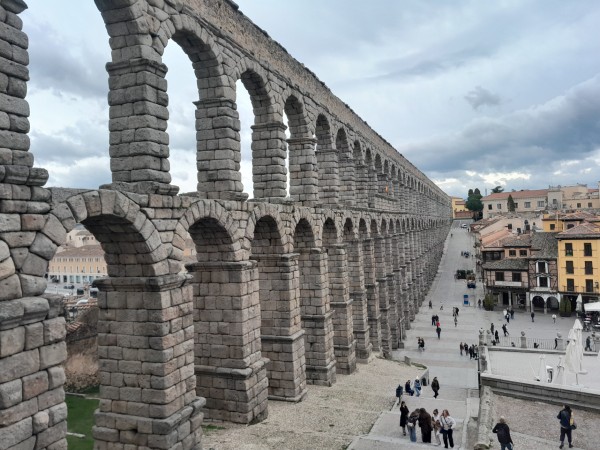
The Aqueduct of Segovia (pictured above) is the city’s most iconic landmark and one of the best-preserved Roman structures in the world. Built around the 1st century AD, this engineering marvel stretches for over 800 metres, supported by 167 arches. It once supplied water from the nearby mountains to the city centre. Standing beneath its towering granite arches at Plaza del Azoguejo is an awe-inspiring experience and a must for any visitor.
Explore the Alcázar of Segovia
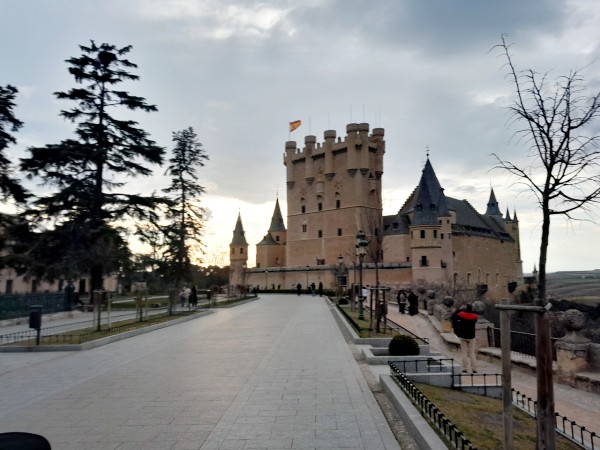
No visit to Segovia is complete without exploring the Alcázar of Segovia, a majestic castle that looks like something out of a fairy tale. With its turreted towers and stone walls rising dramatically above the confluence of two rivers, the Alcázar inspired Walt Disney’s design for Cinderella’s Castle. Inside, visitors can tour lavishly decorated rooms, royal chambers, and the impressive armoury. The climb up the Tower of John II rewards you with sweeping views of Segovia and the surrounding countryside.
Visit Segovia Cathedral
At the highest point of the city stands the Segovia Cathedral, often called the Lady of Cathedrals for its elegance and light-filled Gothic architecture. Completed in the 16th century, it was one of the last Gothic cathedrals built in Spain. Inside, you’ll find intricate stained-glass windows, ornate chapels, and a peaceful cloister perfect for quiet reflection.
Wander the Old Town
The historic centre of Segovia is a maze of cobblestone streets lined with medieval houses, charming squares, and Romanesque churches. Take a leisurely walk from the aqueduct up to the cathedral, passing through Calle Real, the main pedestrian street filled with local shops and cafes. Don’t miss Plaza Mayor, the lively heart of the city where locals gather to enjoy coffee and conversation.
Enjoy Segovia’s Famous Cuisine
Food lovers will be delighted by Segovia’s traditional Castilian cuisine. The city is famous for cochinillo asado (roast suckling pig). The dish is so tender it is traditionally cut with the edge of a plate. Pair your meal with a glass of wine from nearby Ribera del Duero or Rueda for the perfect finish. For a deeper dive, read Where to Eat in Segovia for traditional, fine-dining and budget-friendly suggestions.
Discover the City Walls and Viewpoints
Walk along the ancient city walls for panoramic views of the surrounding plains and hills. Some of the best viewpoints include Mirador de la Canaleja and Mirador de la Pradera de San Marcos, where you can capture stunning photos of the Alcázar framed by greenery and blue skies.
To help you plan your visit, read our 3 Day Itinerary for Segovia article to help get the most out of your stay. If you want to explore the region, Best Day Trips from Segovia provides great tips and recommendations.
A major part of any holiday is accommodation, so read Where to Stay in Segovia for tips on places to suit your budget and holiday style.
Festivals
Segovia’s calendar is filled with festivals that reflect its rich traditions, cultural pride, and love for the arts.
Holy Week (Semana Santa)
Like many Spanish cities, Semana Santa in Segovia is a deeply religious and visually striking event. Processions of penitents dressed in traditional robes wind through the historic streets, accompanied by solemn music. The city’s historic backdrop adds a powerful sense of drama and devotion to the celebrations.
Titirimundi (International Puppet Festival)
Every May, Segovia hosts Titirimundi, one of the world’s most famous puppet festivals. For a week, the city becomes a stage for performers from around the globe, offering open-air shows, workshops, and exhibitions. It’s a magical experience for both children and adults and showcases Segovia’s artistic side.
San Juan and San Pedro Festivals
In late June, the San Juan and San Pedro festivals fill Segovia with music, dance, fireworks, and parades. These traditional summer celebrations honour the city’s patron saints and feature open-air concerts, street performances, and community feasts that create a festive and welcoming atmosphere.
Segovia Music and Hay Festivals
Culture lovers should not miss the Segovia Music Festival. The festival is held each summer in historic venues such as churches and courtyards. It features classical, jazz, and world music performances. Additionally, the Hay Festival of Literature and the Arts, held in September. It brings together writers, artists, and thinkers for talks, readings, and discussions that celebrate creativity and ideas.
Getting there
Segovia is conveniently located just 90 kilometres north of Madrid. It’s one of the best day trips or weekend getaways from the Spanish capital.
By Train
The fastest way to reach Segovia is by high-speed AVE train from Madrid’s Chamartín station. The journey takes around 30 minutes and arrives at Segovia-Guiomar Station, located just outside the city. From there, local buses or taxis will take you to the old town in about 10 minutes. Buy Tickets.
By Car
Driving to Segovia from Madrid takes around one hour via the AP-61 motorway. The scenic route passes through the Guadarrama Mountains, offering beautiful countryside views. Parking is available near the aqueduct and other main attractions, with spaces filling quickly on weekends. Hire a Car.
By Bus
Buses from Madrid’s Moncloa station run frequently to Segovia and take around 1 hour and 15 minutes. The bus station is conveniently located near the aqueduct, within walking distance of most major sights. Buy Tickets
By Tour
Many visitors choose to join guided day tours from Madrid, which often combine Segovia with other nearby cities like Ávila or El Escorial. This is a convenient option for travellers who prefer not to worry about transport or tickets. Buy Tickets