
Tarragona
Tarragona is a captivating coastal city with a population of approximately 135,000 people, serving as the capital of the province of Tarragona in Catalonia. This historic destination is best known for its remarkably preserved Roman ruins, which earned it UNESCO World Heritage status. It is also known for its beautiful Mediterranean beaches that stretch along the Costa Daurada, or Golden Coast. The combination of ancient history and seaside charm makes Tarragona one of Spain’s most rewarding destinations for travellers seeking culture, relaxation, and authentic Catalan experiences.
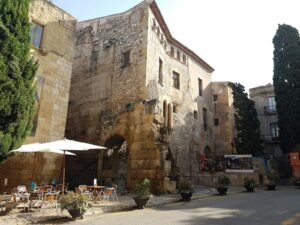
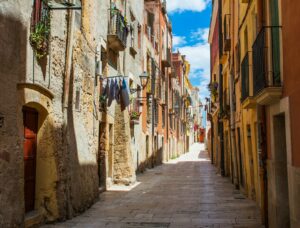
The city’s Roman heritage is immediately apparent as you explore the historic centre. Founded as Tarraco by the Romans in 218 BC, it became one of the most important cities in the Iberian Peninsula and served as the capital of the province of Hispania Tarraconensis. Today, walking through Tarragona feels like stepping between two worlds, where modern cafes sit beside ancient amphitheatres and medieval streets wind past Roman walls that have stood for two millennia.
Beyond its archaeological treasures, Tarragona offers a relaxed Mediterranean lifestyle that feels distinctly different from the busier tourist hubs of Barcelona or Valencia. The seafront promenade, known as the Balcó del Mediterrani, provides stunning views across the sea. It’s the perfect spot to watch the sunset while enjoying fresh seafood at one of the many beachside restaurants. The city’s compact size makes it wonderfully walkable. Its authentic character means you’ll encounter more locals going about their daily lives than tour groups following flags.
The surrounding Costa Daurada lives up to its golden name. With kilometres of sandy beaches, it offers everything from lively beach clubs to quiet coves. If you’re exploring the coastal towns of Catalonia, Tarragona is an excellent base for discovering the region’s diverse attractions. Our article Best Day Trips from Tarragona can help you plan this.
Things to do in Tarragona
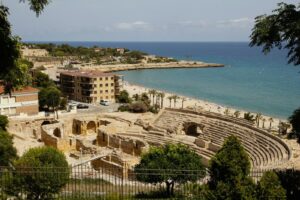
The Roman Amphitheatre is Tarragona’s most iconic landmark, dramatically positioned overlooking the Mediterranean Sea. Built in the 2nd century AD, this well-preserved structure once hosted gladiatorial contests and could accommodate up to 15,000 spectators. Standing in the ancient arena with the sea as a backdrop creates an unforgettable connection to the past, and it’s easy to imagine the spectacles that once captivated Roman audiences here.
The Archaeological Ensemble of Tarraco includes numerous sites scattered throughout the city, each telling part of the Roman story. The Roman Circus, which once hosted chariot races, runs beneath the modern streets, and you can explore the underground passages where competitors and horses once prepared. The Passeig Arqueològic takes you along the ancient city walls, offering both historical insights and beautiful views across the modern city and countryside beyond.
The Cathedral of Tarragona stands as a magnificent example of transitional architecture, blending Romanesque and Gothic styles. Built on the site of a Roman temple, the cathedral’s cloister is particularly beautiful. It has delicately carved capitals and a peaceful garden that provides a serene escape from the summer heat. The cathedral museum houses an impressive collection of religious art and tapestries.
For beach lovers, Playa del Miracle is the most central beach, located just steps from the amphitheatre and offering golden sand and calm waters perfect for swimming. Further along the coast, you’ll find quieter options like Playa Larga and Playa de la Arrabassada. These are both popular with locals and offer excellent facilities.
The Rambla Nova serves as Tarragona’s main boulevard, lined with shops, restaurants, and cafes where you can experience the city’s vibrant social scene. The street leads to the Balcó del Mediterrani, a spectacular viewpoint where locals gather in the evening. According to tradition, touching the iron railing brings good luck and ensures your return to Tarragona. For more expanded information read Things to Do in Tarragona.
One small issue in Tarragona is that many smaller cafes and restaurants have menus in Catalan rather than Spanish. So if you are hoping to use your Spanish language skills, you may be out of luck. For a deeper look at eating, read Where to Eat in Tarragona for traditional, fine-dining and budget-friendly options.
To help you plan your stay, our 3 Day Itinerary for Tarragona is a must.
A major part of any holiday is accommodation, so read Where to Stay in Tarragona for tips on places to suit your budget and holiday style.
How to get to there
Tarragona enjoys excellent transport connections. It is located approximately 100 kilometres southwest of Barcelona along the Mediterranean coast. By car, the journey from Barcelona takes about an hour via the AP-7 toll motorway or slightly longer on the scenic coastal route. The city is also easily accessible from Valencia, about 260 kilometres to the south, making it an ideal stop on a Spanish coastal road trip. Hire a Car.
Train travel is particularly convenient, with frequent Renfe services connecting Tarragona to Barcelona in just over an hour. High-speed AVE trains link the city to Madrid in under three hours. The main train station for high-speed trains, Tarragona Station, is located about two kilometres from the city centre, easily reached by local bus or taxi. Buy Tickets.
You can also catch a slower local train to Barcelona and other towns along the coast. The station for these is located in the city near the beach. Buy Tickets.
For international travellers, Barcelona-El Prat Airport is the closest major airport, approximately 90 kilometres away. Regular bus services operated by companies like Plana connect the airport directly to Tarragona, taking around ninety minutes. Alternatively, you can take a train from Barcelona Airport station. Reus Airport, just 10 kilometres from Tarragona, primarily serves budget European carriers and offers an even more convenient option for some travellers. Book flights.
Within the city, most attractions are easily walkable. Local buses provide connections to beaches and neighbourhoods outside the historic centre. The compact nature of Tarragona’s old town makes exploring on foot not just practical but genuinely enjoyable. It allows you to discover hidden squares and unexpected Roman ruins around every corner.